


2026 CAPE Summer Academy Participant
Anna Weissman
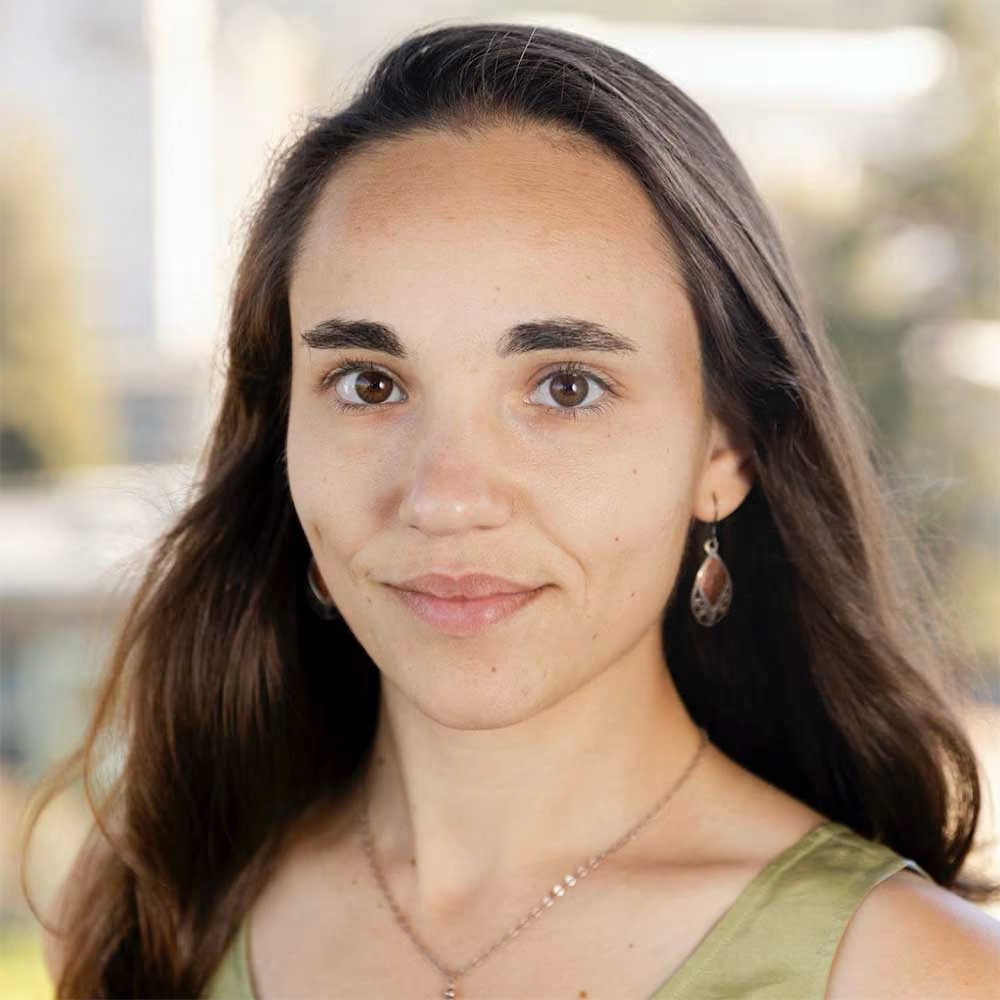
The CAPE Summer Academy reminded me why I enjoy academia. We spent a week deeply engaging with one another's research and with faculty working across the expansive field of American political economy. Throughout the week, we were pushed to ask high-level questions about our work: Who does this research speak to? How does it connect to work outside my immediate subfield? What literatures or conversations have I overlooked? Although participants studied a wide range of topics, the academy highlighted the common questions that connect much of the field.
CAPE is unique in that it brings together scholars asking ambitious questions without prescribing a particular methodological approach for answering them. At the academy, discussions extended beyond research design and identification to focus equally on theory, scope, and the implications of our work. My own research uses a variety of methods to study local political economy, and the academy provided thoughtful feedback not only on a single paper but on my book project and broader agenda. After grad school, opportunities to spend time thinking alongside other scholars become less common. Having a room full of engaged faculty and peers devoting that time to my work was one of the most valuable aspects of the program.
Just as importantly, the academy fostered an intellectual community that reached beyond the workshop itself. I left with potential new collaborators, new conversations, and a much clearer sense of where my research fits within APE. I would strongly recommend the CAPE Summer Academy to any junior scholar looking for a community of researchers committed to asking (and answering) difficult questions relating to APE.
2025 CAPE Summer Academy Participant
Hunter Rendleman
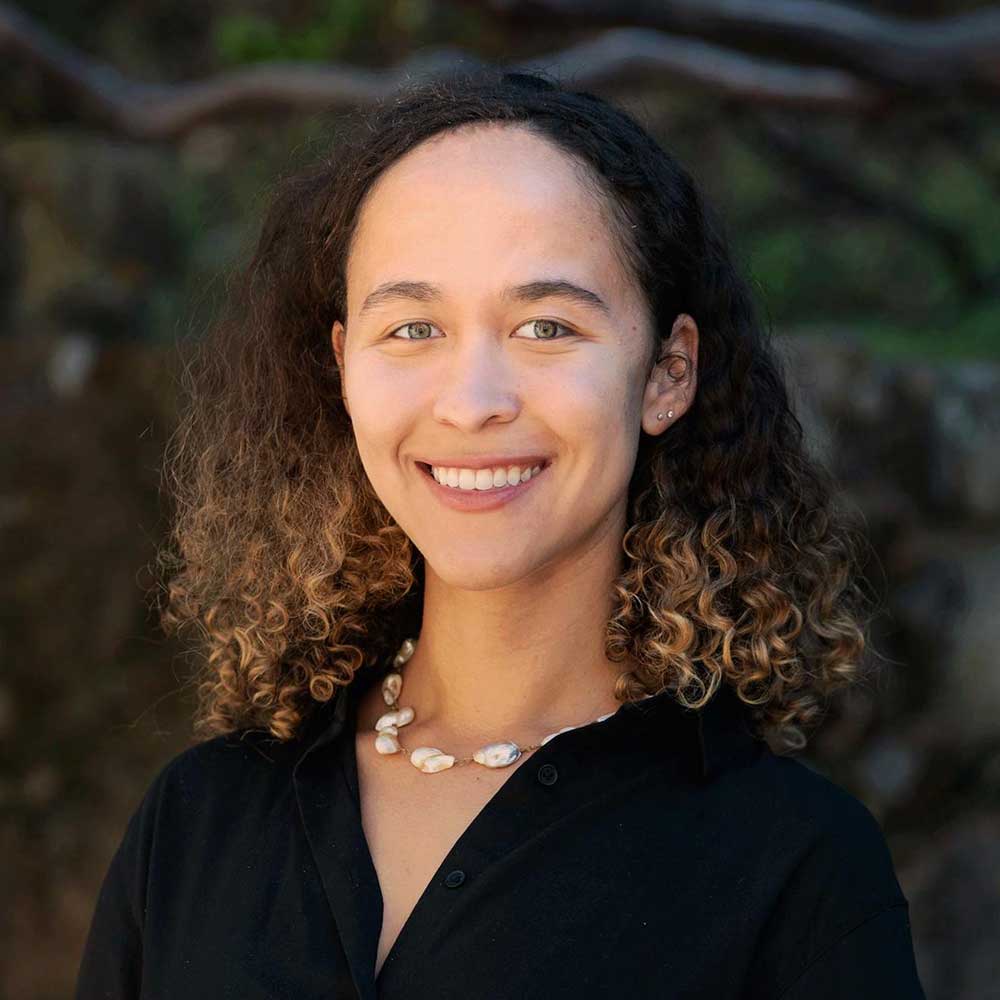
The CAPE Summer Academy creates a space where early-career scholars can have relaxed, substantive conversations, ranging from the mechanics of getting published to the deeper questions that drew many of us to this work. For scholars whose research cuts across traditional subfields, that kind of space can be difficult to find.
My own research is rooted in questions central to American political economy. I study how individuals build networks in high-status professions and what happens to those networks, and to the relationships within them, after political and economic disruptions. Before the Academy, I felt I lacked a natural intellectual home for my work. CAPE provided one. The community it brings together genuinely values synthesis and methodological range, and the senior scholars involved engage with junior scholars’ ideas seriously and generously.
The feedback I received on a paper in progress continues to shape how I frame that project today. But beyond influencing any single piece of my work, the Academy gave me something I would not easily have built on my own: a network of scholars who share a broad intellectual orientation and whom I continue to reach out to for guidance and feedback. If you are a graduate student or early-career researcher working in or adjacent to American political economy, I would encourage you to apply.
2024 CAPE Summer Academy Participant
Trevor Brown
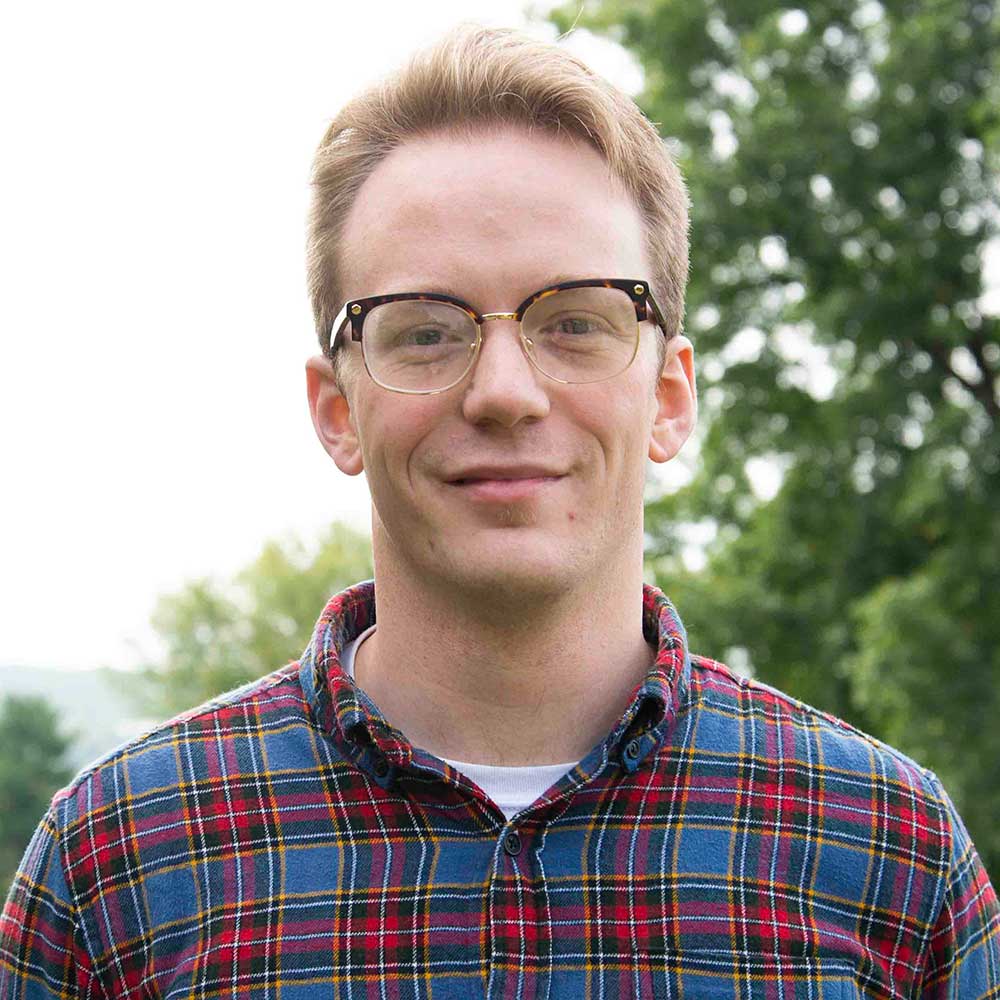
The Consortium on the American Political Economy (CAPE) has been pivotal to my development as a scholar. The Summer Academy in particular offered several days of stimulating presentations and discussions, as well as constructive feedback on my own research. More broadly, the CAPE community has provided a space to learn and grow. As a junior scholar, I have received valuable feedback on multiple projects, strategic mentorship from leaders in the discipline, and regular encouragement to pursue the substantive challenges American democracy faces. CAPE has offered both intellectual and practical support at a time when scholars studying the relationship between American democracy and capitalism arguably need it the most.
2023 CAPE Summer Academy Participant
Rebekah Jones
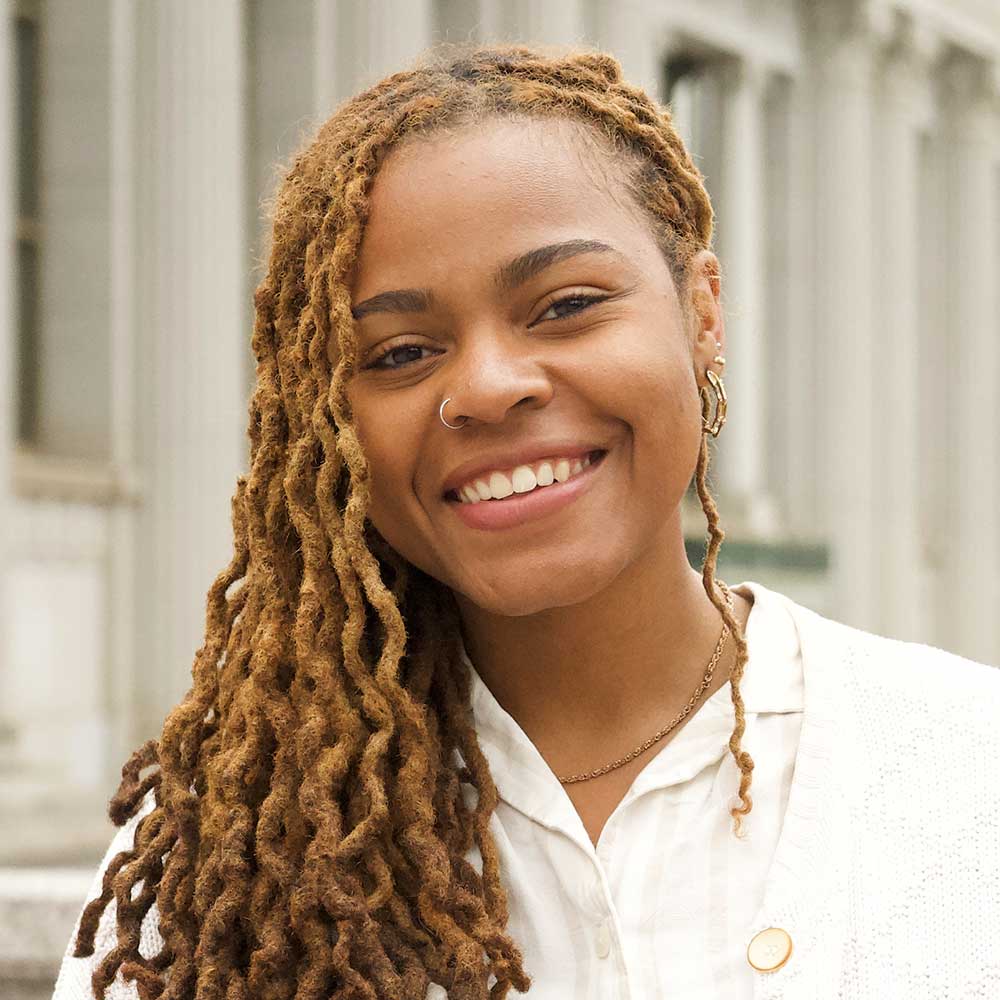
Participating in the CAPE Summer Academy in 2023 was one of the most formative experiences of my graduate training. At a stage when my research agenda was still taking shape, the Academy offered something rare: an intellectually serious, deeply collegial space to think carefully about American political economy alongside scholars who were asking similarly big, structural questions.
What stood out most was the combination of community and rigor. The Academy fostered meaningful connections with senior scholars whose work I had long admired, while also creating a cohort of peers that continues to be a source of feedback and support. The workshop structure encouraged sustained engagement with works-in-progress, and the feedback I received helped me sharpen both the theoretical framing and empirical stakes of my research. My work examines how political and economic institutions interact to shape local government incentives in the distribution of public goods and services, and how these dynamics influence patterns of participatory inequality, with an emphasis on the American criminal legal system. CAPE provided a language and intellectual toolkit for situating this work within broader debates about power, institutions, and distribution, and helped me see how it could speak across subfields.
More broadly, CAPE offered a model of what an inclusive, intellectually ambitious scholarly community can look like. The relationships and perspectives I gained through the Academy have been instrumental in shaping my trajectory since, and I would strongly encourage emerging scholars in APE to take part.
2024 CAPE Summer Academy Participant
Jae Yeon Kim

CAPE is where innovation meets belonging. I am a political scientist who does not fit neatly into disciplinary boundaries or follow a conventional academic trajectory. I began graduate school as a comparativist and later shifted into American politics. At one point, I left academia to work as a data scientist at a civic tech organization, Code for America. There, I worked with U.S. state and local governments to make safety net programs more accessible.
When I decided to return to academia, one of the first things I did was apply to attend CAPE. The American Political Economy framework I learned from Paul and Kathy during graduate school has shaped my work ever since, from my dissertation to applied policy research. CAPE offered an opportunity to reconnect with that intellectual foundation while engaging a community of scholars pushing the boundaries of APE.
My current research focuses on making policy implementation work. I study administrative burden in safety net programs, the relationship between civic infrastructure and democratic governance, and how state and local governments procure AI technologies to deliver public services. Across these research agendas, the common thread is an APE framework that treats policy as a central site of political contestation. CAPE and the APE community have been not only an intellectual home, but also a space that continues to shape my research agenda.
2023 CAPE Summer Academy Participant
Meredith Dost
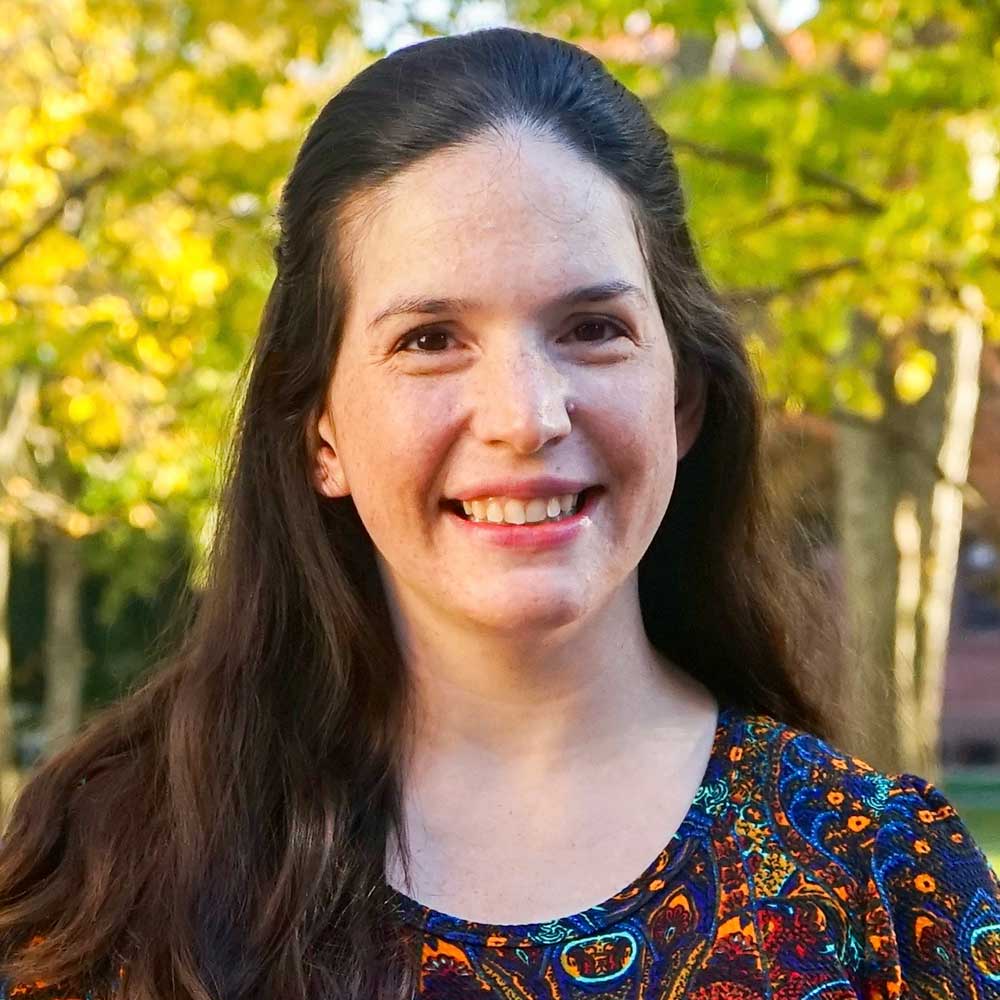
As a scholar studying the political economy of administrative burden in the context of the U.S. federalist system, the CAPE Academy proved transformative for both my intellectual development and career trajectory.
The Academy reshaped how I approach my research. Before attending, I paid little attention to the influence of private actors in public service provision and delivery—my area of interest. The Academy pushed me to think more critically about connections between market forces, organizations, and politics, through the curriculum that covered APE foundations as well as cutting-edge research. At least as valuable was connecting with other early-career scholars who, like me, take a multi-method approach to studying a diverse set of political outcomes. Finding this welcoming community of APE scholars was intellectually energizing.
The Academy came at precisely the right moment in my career, introducing me to leading scholars whose engagement extended well beyond the Academy itself. At a subsequent APSA panel organized by the APE Section, senior faculty and Academy peers attended even when they weren't presenting, generously offering constructive feedback on my job market paper at a critical juncture in my job search. That feedback proved invaluable: I incorporated their insights and ultimately published the paper in Perspectives on Politics. When I presented other work at an APSA APE panel the following year, there was again broad engagement from Academy peers. I also made new connections with APE scholars on the panel, which ultimately led to my current postdoctoral fellowship with the Better Government Lab.
Now, as an incoming assistant professor at Carleton College, I can trace a clear line from the Academy to where I am today. The CAPE community taught me to think more critically and creatively about my research, strengthening my work and making my job market success possible. For early career scholars in APE, the Academy offers something rare: a genuine intellectual community invested in your development.
2022 CAPE Summer Academy Participant
Jared Clemons
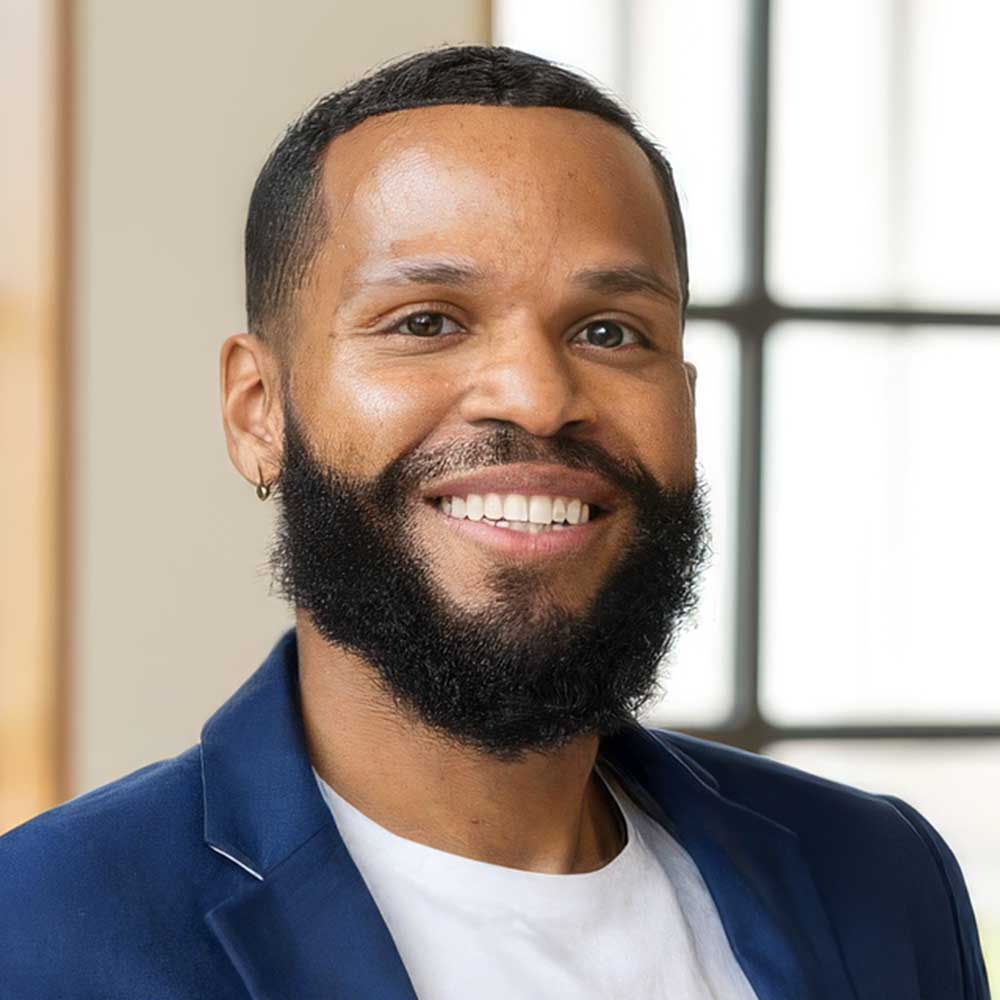
I am not exaggerating when I say that the CAPE Summer Academy legitimately changed, for the better, the trajectory of my academic career. Though I’d always been interested in thinking about the relationship between capitalism and racial inequality, I always felt that those sorts of questions were outside of what I was taught to believe was “political science” and, consequently, I often found myself feeling alienated within the discipline during graduate school.
Enrolling in the CAPE Summer Academy allowed me to see that not only were these questions central to political science, but that there was already a host of scholars asking similar questions while also making the case that studying our economic system in relation to the political world is, and has always been central to the field of political science.
For younger scholars who are interested in centering political economy in their work, but currently worry that the sorts of questions they are interested in might fall outside the scope of what is often thought of as political science, I cannot recommend the CAPE Summer Academy enough! It is truly a gem of a program, and I am so fortunate to now be a part of a network of scholars producing such great, important work in the field of political economy.
2023 CAPE Summer Academy Participant
Danny Daneri

The CAPE Summer Academy was a formative experience in my development as a political scientist. As a graduate student, it was not easy to find a scholarly community that felt both welcoming and in conversation with the kinds of questions that motivated my research on labor politics and interest groups.
Much of contemporary political science eschews many of the most important questions facing society in favor of testing more narrow, causally identifiable hypotheses. After the first day at the academy, it was clear to me that the CAPE community did not shy away from the big questions, and the senior scholars were eager to give me feedback on how I could pursue similarly ambitious research projects.
At the summer academy, as well as at the Junior Working Group virtual seminar series, I was able to workshop my dissertation ideas and get written feedback from colleagues who had read my papers. My CAPE experiences were also invaluable networking opportunities. Through CAPE, I connected closely with several scholars whom I continue to collaborate with in my current role as an Assistant Professor.
2022 CAPE Summer Academy Participant
Stan Oklobdzija

CAPE opened my eyes to a broad community of scholars and a new lens to study American public policy. It was incredibly invigorating to connect with people of different research backgrounds and different methodological skill sets who nonetheless came together around a common framework to studying the world's problems. Particularly, I found it extremely valuable to be part of a community that centers interest groups in the study of public policy—something my own research does.
It’s quite exciting to be a small part of building a new literature for future scholars to draw on. I've been to many workshops and conferences in my time as an academic, but I can confidently say that CAPE was one of the most valuable I've ever participated in.


